
If your heat pump not working properly right now, you are not alone. Homeowners in Tempe, AZ deal with this problem more often than you’d think, especially during the hottest summer days and the cooler winter nights. A heat pump is one of the hardest-working systems in your home, and when it stops performing, your comfort takes a direct hit.
This guide walks you through everything you need to know. We will explain how a heat pump works, why it sometimes fails, what signs to watch for, and when to call a professional. Whether you’re troubleshooting on your own or trying to understand your system better before calling for help, this article gives you clear, simple answers without confusing technical jargon.
Think about how much your home relies on steady temperature control. A working heating and cooling system isn’t just about comfort, it affects your sleep, your daily routine, and even your health during extreme weather. When something goes wrong, most homeowners feel a mix of confusion and urgency. Is it a small fix? Is it something that needs a technician right away? Should you keep running the system or shut it off completely?
This article was written to answer those exact questions. We’ll cover the mechanics behind heat pump technology, the most frequent reasons systems break down, practical troubleshooting steps you can try safely at home, and clear guidance on when professional repair is the smarter choice Heat Pump Repair Tempe AZ. By the end, you’ll have a much better understanding of your system and the confidence to make the right decision for your household.
Let’s get started.
What Is a Heat Pump and How Does It Work
A heat pump is an all-in-one heating and cooling system. Unlike a furnace that only heats or an air conditioner that only cools, a heat pump does both jobs using the same equipment, making Heat Pump Replacement Tempe AZ a practical solution when your existing system reaches the end of its lifespan. This is one of the main reasons homeowners across Arizona choose heat pumps for year-round comfort.
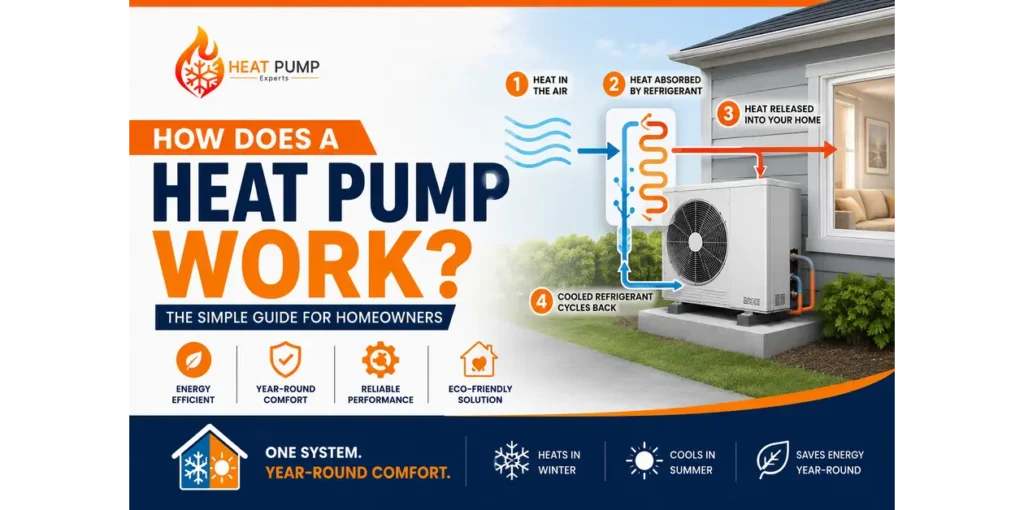
So, what is a heat pump and how does it work? In simple terms, a heat pump does not create heat the way a furnace does by burning fuel. Instead, it moves heat from one place to another. In cold weather, it pulls heat from the outside air and brings it indoors. In hot weather, it reverses the process and pulls heat out of your home, sending it outside instead.
This “move heat, don’t make it” approach is what makes heat pumps so efficient compared to traditional heating systems.
Heat Pump Working Principle
The heat pump working principle is based on refrigeration technology, the same basic science used in your refrigerator, making Heat Pump Installation Tempe AZ an energy-efficient choice for year-round indoor comfort. . A special fluid called refrigerant flows through a closed loop of coils and travels between the indoor and outdoor units. As this refrigerant changes from liquid to gas and back again, it absorbs and releases heat.
Here is a simplified breakdown of the cycle:
- The refrigerant absorbs heat from the air (indoor or outdoor, depending on the season).
- A compressor pressurizes the refrigerant, raising its temperature.
- The heated refrigerant releases its warmth into the space that needs heating.
- The cycle reverses when cooling is needed instead.
A reversing valve is the key part that allows the system to switch directions between heating and cooling modes. When this valve or any other core component fails, that’s often when a heat pump not working situation begins.
It also helps to understand the main components working together inside every heat pump system:
Key Components Explained
- Compressor – Often called the heart of the system, it pressurizes refrigerant and keeps it circulating through the loop.
- Condenser coil – Releases heat, either indoors or outdoors depending on the mode the system is running in.
- Evaporator coil – Absorbs heat from the surrounding air so it can be transferred elsewhere.
- Expansion valve – Controls the flow and pressure of refrigerant as it moves between coils.
- Reversing valve – Switches the direction of refrigerant flow, allowing the system to heat or cool on demand.
Each of these parts has to function correctly for the whole system to work smoothly. A failure in even one component can throw off the entire cycle, which is exactly why small issues sometimes cause big performance problems.
How Does a Heat Pump Work in Winter
Many people assume heat pumps can’t work well in cold weather, but that’s not entirely true. Understanding how does a heat pump work in winter helps clear up this common misconception.
During winter, the outdoor unit extracts heat from the outside air, even when it feels cold outside. This might sound surprising, but there is still thermal energy present in cold air until temperatures drop extremely low. The system captures this energy, compresses it to increase the temperature, and delivers warm air through your indoor vents.
In milder winter climates, like much of Arizona, heat pumps perform exceptionally well because temperatures rarely drop low enough to seriously challenge the system. This makes heat pumps a smart, energy-saving choice for homes in Tempe and surrounding areas.
How Does a Heat Pump Work in Summer
Cooling your home is where heat pumps really shine, especially in a hot desert climate like Arizona. So how does a heat pump work in summer? During summer months, the system works just like a standard air conditioner.
The indoor coil absorbs heat and humidity from inside your home. The refrigerant carries that heat outside, where the outdoor unit releases it into the outside air. Cool, dehumidified air is then circulated back through your home. This process repeats continuously until your thermostat reaches the desired temperature.
Because summers in Tempe are intense, your heat pump works overtime during these months. That added strain is often why cooling issues pop up more frequently in summer than any other season.
How Does a Residential Heat Pump Work
Homeowners often want to understand exactly how does a residential heat pump work compared to commercial or industrial systems. The core technology is the same, but residential systems are sized and designed specifically for single-family homes and smaller living spaces.
A residential heat pump typically includes:
- An outdoor unit that houses the compressor and outdoor coil
- An indoor air handler or coil connected to your ductwork
- A thermostat that controls temperature settings and system modes
- Refrigerant lines connecting the indoor and outdoor components
These parts work together to keep your indoor temperature comfortable regardless of the season. Residential systems are built for efficiency and quiet operation, making them ideal for everyday home use.
How an Air Source Heat Pump Works
Most residential systems installed in Arizona homes are air source models. Understanding how an air source heat pump works is helpful because this is the most common type you’ll find in local neighborhoods.
An air source heat pump pulls thermal energy directly from the outdoor air, rather than from the ground or water like geothermal systems. Because it relies on air temperature, its performance can vary slightly depending on outdoor conditions. However, modern air source systems are engineered to handle a wide range of temperatures efficiently, which is exactly why they remain the top choice for homeowners across the Phoenix metro area, including Tempe.
How Efficient Is a Heat Pump
One of the biggest selling points of this technology is efficiency. So, how efficient is a heat pump really?
Heat pumps are rated using two main measurements: SEER (Seasonal Energy Efficiency Ratio) for cooling and HSPF (Heating Seasonal Performance Factor) for heating. Higher numbers mean better efficiency and lower energy bills.
Because heat pumps move heat instead of generating it through combustion, they typically use significantly less energy than traditional furnaces or electric resistance heating. In moderate climates like Arizona, this efficiency advantage becomes even more noticeable, often leading to real savings on monthly utility bills.
Efficiency can drop, however, when a system isn’t maintained properly. Dirty filters, low refrigerant, and worn-out parts all reduce performance over time, which is one more reason routine maintenance matters so much.
Simple Ways to Keep Efficiency High
- Replace or clean your air filter every one to three months
- Keep the outdoor unit clear of leaves, dirt, and overgrown plants
- Schedule professional tune-ups twice a year
- Seal any noticeable gaps around windows and doors to reduce workload on the system
- Use a programmable thermostat to avoid unnecessary heating or cooling cycles
Small habits like these add up over time, helping your system run closer to its rated efficiency instead of losing performance year after year. Homeowners who stay consistent with these simple steps often notice a real difference in their monthly utility costs, along with fewer unexpected repair calls.
Mini-Split Heat Pump vs Window Unit Heat Pump
Not every home uses a traditional ducted heat pump system. Two increasingly popular alternatives are the mini-split heat pump and the window unit heat pump, and it helps to know the difference between them.
A mini-split heat pump uses an outdoor compressor connected to one or more indoor wall-mounted units, without the need for ductwork. This makes it a great option for room additions, garages, or homes without existing duct systems. Mini-splits also allow for zoned temperature control, so different rooms can be set to different temperatures.
On the other hand, a window unit heat pump fits directly into a window opening, similar to a standard window air conditioner, but with added heating capability. These units are compact and budget-friendly, though they generally serve smaller spaces and are less efficient than whole-home systems.
Choosing between these options depends on your home’s layout, your budget, and how much space you need to heat or cool.
Heat Pump Cold Climate Performance
While Arizona winters are relatively mild, it’s still worth understanding heat pump cold climate performance if you’re comparing systems or have a vacation property in a colder region.
Standard heat pumps can lose some efficiency once outdoor temperatures drop below freezing. This is because there’s simply less heat energy available in the air to extract. Newer cold-climate heat pump models are specifically engineered to maintain strong performance even in much lower temperatures, using advanced compressors and improved refrigerant technology.
For most homes in Tempe, this isn’t a major concern since local winters rarely reach extreme lows. Still, it’s good information to have if you’re weighing your heating options.
Heat Pump vs Air Conditioner
A common question homeowners ask before upgrading their system is about heat pump vs air conditioner performance and value.
A standard air conditioner only cools your home. It has no ability to provide heat. A heat pump, by contrast, handles both heating and cooling in a single system. This dual functionality often makes heat pumps more cost-effective over time, especially in climates where extreme cold isn’t a major factor.
That said, a straightforward air conditioner paired with a separate furnace can sometimes make sense in regions with harsher winters. For most Arizona homeowners, though, a heat pump offers the best of both worlds without needing two separate systems.
Common Heat Pump Problems
Understanding common heat pump problems can help you catch issues early, before they turn into a full system breakdown. Here are some of the most frequent culprits:
- Refrigerant leaks – Low refrigerant reduces heating and cooling capacity significantly.
- Dirty or clogged filters – Restricted airflow forces the system to work harder and can lead to overheating.
- Faulty reversing valve – This prevents the system from properly switching between heating and cooling modes.
- Thermostat malfunctions – Incorrect readings or wiring issues can cause the system to run erratically.
- Frozen coils – Ice buildup on the outdoor or indoor coil blocks proper heat exchange.
- Worn-out compressor – As the heart of the system, a failing compressor often leads to a total system shutdown.
- Electrical issues – Blown fuses, tripped breakers, or damaged wiring can stop the unit from starting at all.
Many of these problems develop gradually, which is why regular inspections make such a big difference in preventing a heat pump not working emergency down the road.
Why These Problems Happen More Often in Arizona
Extreme summer heat in Tempe puts extra strain on outdoor units, since the system has to work harder to move heat out of your home when it’s already scorching outside. Dust and dry desert air can also build up inside filters and coils faster than in milder climates, leading to airflow restrictions sooner than homeowners expect.
Additionally, systems that run almost year-round, cooling through long summers and occasionally heating during cooler winter nights, simply accumulate more wear over time compared to systems in regions with shorter operating seasons. This makes routine care even more important for homeowners in our area.
Signs Your Heat Pump Is Not Working Properly
It helps to recognize the early warning signs your heat pump is not working properly, so you can address problems before they escalate. Watch for these red flags:
- Warm air blowing when you expect cool air, or vice versa
- Unusual noises like grinding, clicking, or buzzing from the unit
- Weak or inconsistent airflow throughout your home
- Ice forming on the outdoor unit, even during warmer months
- Higher than normal energy bills without any change in usage
- The system running constantly without reaching the set temperature
- Strange odors coming from the vents when the system runs
If you notice one or more of these signs, it’s a strong indication your system needs professional attention soon.
Why Ignoring Early Signs Can Cost You More
It’s tempting to brush off small quirks, like a slightly noisier unit or a minor rise in your energy bill. But these small issues rarely stay small. A minor refrigerant leak, left unaddressed, can eventually damage the compressor, turning a simple repair into a much more expensive one. Similarly, ignoring reduced airflow can cause your system to overheat and shut down completely at the worst possible moment, often during the hottest days of summer.
Catching these warning signs early not only saves money, it also extends the overall lifespan of your equipment and keeps your home comfortable without unexpected interruptions.
Heat Pump Not Working? Here’s What to Check First
When your heat pump not working issue happens suddenly, there are a few simple things you can check before assuming the worst.
First, check your thermostat. Make sure it’s set to the correct mode, whether that’s heating or cooling, and confirm the temperature setting is accurate. A dead thermostat battery can sometimes be the entire problem.
Second, inspect your air filter. A heavily clogged filter restricts airflow and can cause the system to shut down as a safety measure. Replacing a dirty filter is quick and might solve the issue immediately.
Third, check your circuit breaker. If the breaker connected to your heat pump has tripped, resetting it might restore power to the unit. If it trips again right away, that usually points to a more serious electrical problem that needs professional diagnosis.
Fourth, look at the outdoor unit. Debris, leaves, or ice buildup around the outdoor coil can block proper airflow and reduce system performance. Clearing visible debris is safe to do yourself, but any ice buildup often signals a deeper issue that requires expert diagnosis.
If none of these basic checks resolve your heat pump not working situation, it’s time to call in a trained technician rather than attempting further repairs yourself.
A Simple Troubleshooting Checklist
Before making a service call, it can help to walk through this short checklist:
- Confirm the thermostat is set to the correct mode and temperature
- Replace the batteries in your thermostat if it uses them
- Check and replace the air filter if it looks dirty or clogged
- Look at your breaker panel for any tripped switches
- Inspect the outdoor unit for visible debris, leaves, or blockages
- Make sure all indoor vents are open and unobstructed
Going through these steps takes only a few minutes and can sometimes resolve the issue without needing a service visit at all. However, if you ever smell something burning, hear grinding metal, or notice water pooling near your indoor unit, stop troubleshooting immediately and contact a professional. Attempting to fix electrical or refrigerant-related issues without proper training can be dangerous and may void your system’s warranty.
When to Call for Emergency Heat Pump Repair
Some situations simply cannot wait. Knowing when you need emergency heat pump repair can prevent further damage to your system and protect your home’s comfort.
Call for emergency service if you notice burning smells, sparking, or smoke coming from the unit. These are safety hazards that require immediate professional attention. Similarly, if your system completely stops running during extreme summer heat or unusually cold nights, waiting too long can put your household at risk, especially for children, elderly family members, or anyone with health sensitivities.
Water leaking around your indoor unit, loud banging noises, or a complete loss of heating or cooling are also strong reasons to request urgent help rather than scheduling a standard appointment.
What Happens During an Emergency Service Call
When you call for urgent help, a technician will typically prioritize diagnosing the safety risk first, checking for electrical hazards, gas smells, or refrigerant leaks before moving on to a full inspection. From there, they’ll walk you through what’s wrong in plain language, explain your repair options, and give you an honest estimate before any work begins.
Having a trusted local company you can call during these moments makes a huge difference. Instead of scrambling to find help during a heat wave or a cold snap, you’ll already know exactly who to contact.
Heat Pump Repair Cost in Tempe, AZ
One of the most common questions homeowners ask is about Heat Pump Repair Cost. Pricing can vary quite a bit depending on the specific problem, the age of your system, and the parts involved.
Minor repairs, like replacing a capacitor or cleaning a clogged component, tend to be more affordable. More involved repairs, such as fixing a refrigerant leak or replacing a compressor, generally cost more due to the complexity of the labor and parts required. Older systems may also cost more to repair simply because replacement parts can be harder to source.
Getting an accurate, upfront estimate from a qualified technician is always the best way to understand your specific repair costs before any work begins.
Factors That Influence Repair Pricing
Several variables affect what you’ll ultimately pay for repairs:
- Type of repair needed – Electrical fixes, refrigerant work, and mechanical part replacements all carry different labor and material costs.
- Age and model of your system – Older or discontinued models may require specialty parts that cost more to source.
- Warranty coverage – Some parts or labor may still be covered if your system is under warranty, which can significantly lower out-of-pocket costs.
- Time of year – Repair costs can sometimes rise during peak summer demand simply due to higher service volume.
- Severity of the issue – A simple part swap costs far less than a major repair involving the compressor or refrigerant lines.
Asking for a detailed, written estimate before work begins helps you avoid surprises and allows you to compare your options with confidence.
Why Local Homeowners Trust Our Team
If your heat pump not working is disrupting your comfort, our team is here to help. We proudly serve homeowners throughout the Tempe area with dependable, honest service.
Our licensed technicians provide expert Heat Pump Repair Tempe AZ services, diagnosing and fixing issues quickly so your home gets back to a comfortable temperature as soon as possible. We understand how frustrating it is to deal with a system that suddenly stops working, especially during Arizona’s extreme summer heat.
Beyond repairs, we also offer thorough Heat Pump Maintenance Tempe AZ plans designed to catch small problems before they become expensive breakdowns. Routine maintenance extends the life of your system, keeps it running efficiently, and helps you avoid unexpected repair costs down the road.
When a system is too old or too damaged to repair cost-effectively, our team also provides reliable Heat Pump Replacement Tempe AZ services. We help you choose a new system that fits your home’s size, your budget, and your comfort goals.
If you’re building a new home or upgrading from an older heating and cooling setup, our Heat Pump Installation Tempe AZ services ensure your new system is installed correctly from day one. Proper installation is one of the biggest factors in how well a heat pump performs over its lifetime.
Every member of our team is a trained Heat Pump Repair Technician in Tempe, AZ, committed to honest diagnostics, fair pricing, and quality workmanship on every job we complete.
Frequently Asked Questions
Why is my heat pump not working but the thermostat is on?
This usually points to a tripped breaker, a wiring issue, or a failed component like a capacitor or contactor. Start by checking your breaker panel, and if power is fine, the issue is likely internal and needs a professional diagnosis.
Can a heat pump run without producing heat?
Yes. This often happens due to a faulty reversing valve, low refrigerant levels, or a malfunctioning compressor. The system may still run and use energy without actually delivering warm air.
How long do heat pumps typically last?
Most residential heat pumps last between 10 to 15 years with proper maintenance. Regular tune-ups can help extend this lifespan and keep the system running efficiently for longer.
Is it normal for a heat pump to blow cool air in heating mode?
A slight coolness right when the system starts is normal, but consistently cool air during heating mode usually signals a problem, such as low refrigerant or a defrost cycle issue.
How often should I schedule maintenance for my heat pump?
Most manufacturers and technicians recommend maintenance twice a year, once before the cooling season and once before the heating season, to keep the system running at peak efficiency.
Should I repair or replace my heat pump if it keeps breaking down?
If your system is older than 10 years and repairs are becoming frequent or expensive, replacement is often the more cost-effective long-term choice. A technician can help you compare repair costs against replacement value.
Final Thoughts
A heat pump not working properly can disrupt your daily comfort, but understanding how your system operates makes it much easier to catch problems early and make informed decisions. From knowing the heat pump working principle to recognizing early warning signs, a little knowledge goes a long way in protecting your investment.
If basic troubleshooting doesn’t solve the problem, don’t wait until it becomes a bigger issue. Our experienced team in Tempe, AZ is ready to help with repairs, maintenance, replacements, and new installations, so your home stays comfortable no matter the season. Reach out today and let our trusted local experts take care of the rest.
